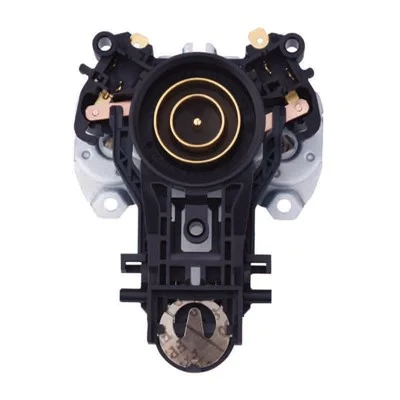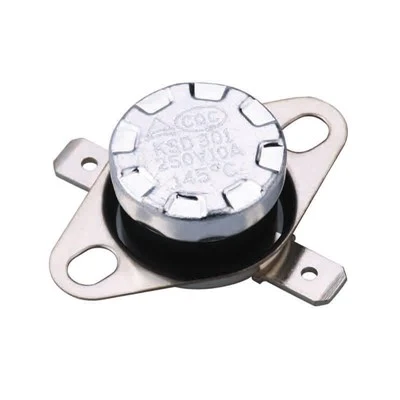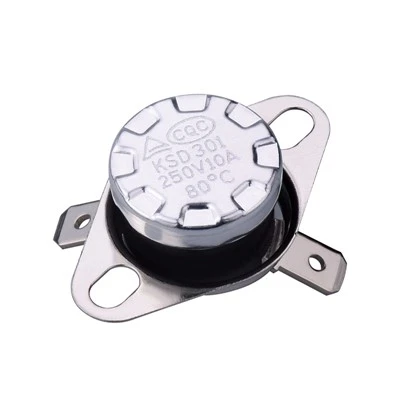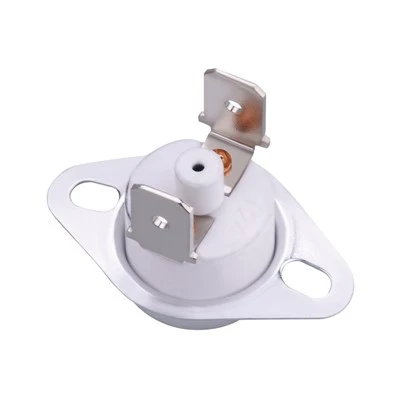

Have you ever wondered how industrial machinery, electric motors, and heavy-duty electrical systems keep running smoothly even when loads spike and dip unexpectedly? As a supplier of manual-reset overload protectors, I get this question all the time—especially from plant managers, maintenance technicians, and electrical engineers who’ve dealt with the headache of burnt-out equipment after a sudden load surge. Fluctuating loads are a fact of life in many industries: a conveyor belt accelerating to move a heavy batch of material, a pump kicking on to push extra fluid, or a motor ramping up to handle a peak production cycle. Left unmanaged, these swings can generate excess heat, damage windings, or even cause fires. That’s where manual-reset overload protectors step in, but their response to fluctuating loads isn’t one-size-fits-all—understanding how they work is key to choosing the right protection for your setup.
First, let’s break down what a manual-reset overload protector actually is, versus other types you might encounter. Unlike automatic reset models that turn power back on once the equipment cools down (great for low-stakes, easily monitored systems), manual-reset units require a person to physically reset them after a trip. This inherent step is a critical safety feature for high-risk applications where an unexpected restart could cause injury, damage to fragile processes, or trigger secondary hazards. For example, a manual-reset overload protector is often used in wall switch-mounted setups for commercial heating systems or workshop tools—areas where accidental restarts wouldn’t be welcome after a fault. If you’re curious about how this manual intervention fits into broader overload protection, you can explore our line of Wall Switch Overload Protectors here: /thermal-overload-protectors/wall-switch-overload-protector.html.
Now, let’s get to the heart of how these devices respond to fluctuating loads. The core component of most manual-reset thermal overload protectors is a bimetallic strip, a simple yet clever piece of engineering made by bonding two different metals with distinct thermal expansion rates. Here’s how it works during normal operation: when the load on the connected motor or system is within its rated limit, the current flowing through the strip generates a small, steady amount of heat. The two metals expand at different rates, but the heat isn’t enough to make the strip bend far enough to trigger a trip. It stays in its neutral position, allowing power to keep flowing to the equipment.
But when a fluctuating load spikes—say, a conveyor belt gets jammed and draws 2–3 times its normal current—the heat generated by the strip increases rapidly. The faster-expanding metal on one side of the strip curls the entire piece until it reaches a pre-set trip point. At that moment, the strip pushes open a set of contact points, cutting off power to the equipment immediately. This is the “response” part: it’s not instant, but it’s fast enough to stop excess heat from damaging motor windings or other sensitive parts. The trip threshold is calibrated for the specific motor or system it’s paired with, so it will only trigger when the load exceeds safe limits, not during normal, temporary fluctuations.
Here’s where it gets interesting with fluctuating loads specifically. Let’s say you have a electric motor operating a packaging line that has variable load: it runs at 100% capacity when moving boxes, drops to 50% when idle between batches, and occasionally spikes to 150% when it has to handle a heavier-than-standard box. The manual-reset overload protector will respond differently to each of these scenarios. During the 50% idle period, the current is low, so the bimetallic strip cools slightly but never bends enough to trip. During the temporary 150% spike, if it only lasts a few seconds, the heat built up in the strip is minimal, and it springs back to neutral before tripping—no interruption to operations. But if that spike lasts longer than a few seconds, or if multiple small spikes happen in quick succession (like 10 seconds at 150% load, followed by 5 seconds of 120% load), the cumulative heat will push the strip past its trip point, and the unit will cut power.
This is a key advantage of manual-reset units over other types: they prevent nuisance tripping that wastes production time, while still offering reliable protection during sustained overloads. But it’s also why matching the right protector to your fluctuating load profile is so important. For three-phase motor systems, which face unique load fluctuations when power is uneven across phases, a Three Phase Motor Thermal Protector is designed to monitor each phase individually, ensuring no single phase’s overload goes undetected, even when the total system load varies. You can learn more about three-phase protection here: /thermal-overload-protectors/three-phase-motor-thermal-protector.html.
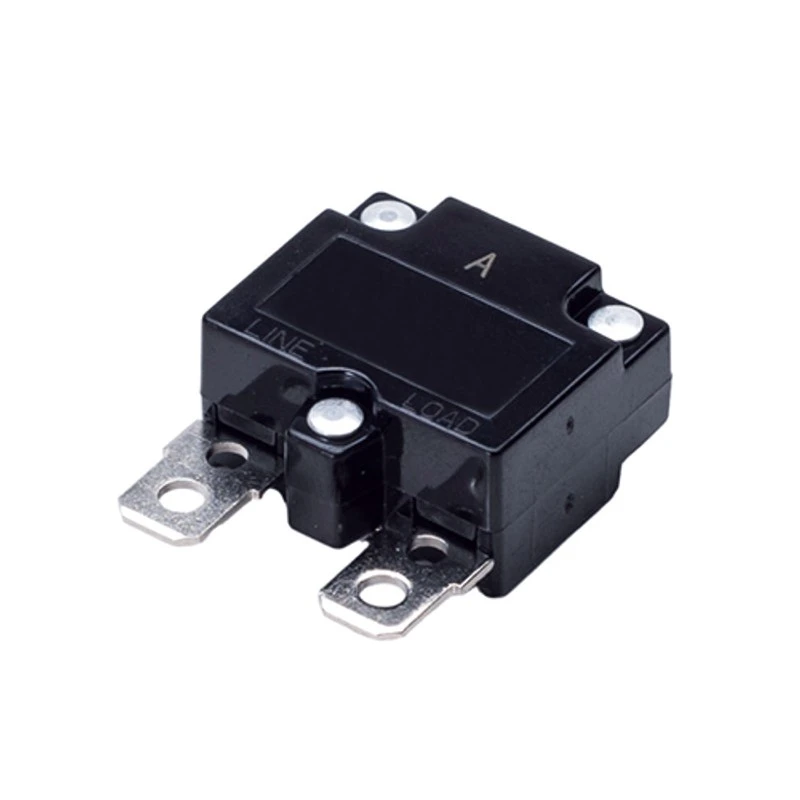
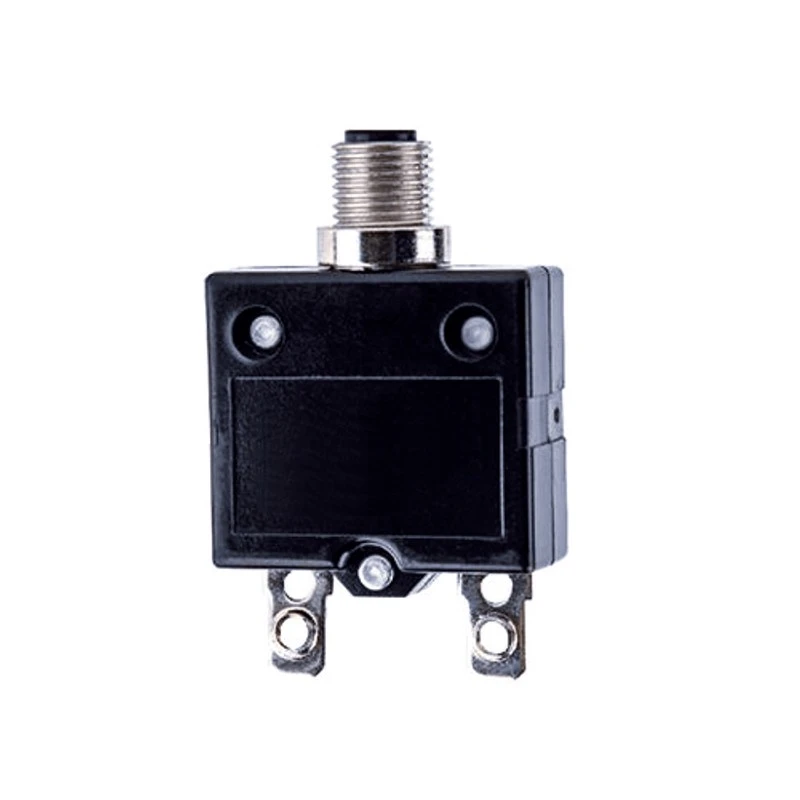
Wait a second—how does the manual reset play into this response cycle, especially after a trip? When the overload protector trips due to a sustained fluctuating load, the bimetallic strip stays bent in the trip position until it cools completely. Even if the load drops back to normal levels, the strip won’t spring back on its own, and the contact points will remain open. That’s the manual part: a technician has to go to the equipment, identify and fix the root cause of the overload (whether it’s a jam, a faulty component, or a load that’s too high for the motor), then press a reset button on the protector to bend the strip back to its neutral position, closing the contacts and restoring power. This extra step is a critical safety guardrail for applications where an automatic restart could be catastrophic. For example, if a manual-reset protector shuts down a saw in a wood shop after a jam, you don’t want it turning back on while the jam is still there—that could send the blade flying and hurt someone. Automatic reset models might work for smaller, less risky setups, but manual-reset is non-negotiable for high-power, high-hazard fluctuating load systems. To compare manual vs automatic options, check out our Automatic Motor Overload Protectors for low-risk applications here: /thermal-overload-protectors/automatic-motor-overload-protector.html, or explore automatic reset thermal protectors for simple industrial tools here: /thermal-overload-protectors/automatic-reset-thermal-overload-protector.html.
A common question I hear is: what happens if the fluctuating load is actually under the trip threshold, but frequent enough to cause wear on the protector? The short answer is that quality manual-reset overload protectors are designed to handle thousands of normal load cycles without wearing out, as long as they’re sized correctly for the motor’s full-load current (FLC). Sizing is everything here: if you size the protector for a higher FLC than your motor actually uses, it won’t trip when it should during a real overload. If you size it too low, it might trip during normal, temporary load fluctuations. That’s why our team works directly with customers to calculate their specific load profiles—how often spikes happen, how long they last, and the maximum current the system can safely handle. For example, a pump that runs 24/7 with occasional 2-second spikes might need a different setting than a conveyor that has 10-second load surges every 5 minutes.
Another key point about response to fluctuating loads: heat dissipation. The bimetallic strip doesn’t just rely on the current flowing through it to heat up—it also loses heat to the surrounding environment. So, a protector installed in a hot, poorly ventilated electrical cabinet will trip at a lower current than the same model installed in a cool, open area, even if the load is identical. This is something to factor in when choosing your manual-reset overload protector: if your equipment operates in extreme temperatures, make sure to pick a model rated for that environment, or adjust the trip threshold accordingly. Our technical team can help you navigate that, no matter your setup.
Let’s take a real-world example to make this concrete. Last year, we worked with a small manufacturing plant that had a pair of conveyor motors powering a line of bottled water. The line ran 16 hours a day, with load fluctuations ranging from 60% when running empty to 140% when moving full pallets of water. They were using an old automatic reset protector that kept tripping every time the line switched between full and empty, costing them 2–3 hours of downtime per week. We replaced it with a manual-reset overload protector sized for their motor’s 8A FLC, calibrated to trip only when load exceeded 12A for more than 5 seconds. The unit only tripped once a week when a pallet got jammed, and their downtime dropped by 90%. The manual step meant their maintenance team had to do a quick check whenever a trip happened, which also helped them catch small jams before they became bigger problems.
This example highlights why manual-reset overload protectors are ideal for fluctuating load environments: they strike the perfect balance between protection and reliability. Nuisance tripping is one of the biggest frustrations for facilities with variable loads, and a well-sized, correctly calibrated manual-reset unit eliminates that while still catching dangerous overloads. Automatic reset protectors can work for some low-stakes fluctuating load applications, like a small fan in a office, but for industrial motors, commercial machinery, or any setup where safety is a priority, manual-reset is the way to go.
At the end of the day, understanding how your overload protector responds to fluctuating loads isn’t just a technical exercise—it’s how you keep your operations running efficiently, avoid costly downtime, and protect your workers and equipment. Whether you’re looking for a protector for a single workshop tool, a three-phase industrial motor, or a wall switch-mounted commercial system, we have the expertise and products to match your needs. If you’re dealing with frequent load fluctuations, frequent trips, or just want to upgrade your current protection, our team is here to help you find the right manual-reset overload protector for your application. Reach out to us today to discuss your requirements and find a solution that keeps your system safe and reliable through even the most variable loads.
References
- Electrical Construction & Maintenance. (2022). “Thermal Overload Protection: Principles and Application for Industrial Motors.” Retrieved from industry journal archives.
- National Electrical Manufacturers Association (NEMA). (2021). Standards for Motor Overload Protectors, Publication No. ICS 2-2021.
- Underwriters Laboratories (UL). (2020). UL 508 Standard for Industrial Control Equipment, Section 13: Overload Protection.
- IEEE Industry Applications Society. (2019). “Handling Fluctuating Loads in Variable Torque Motor Systems.” Conference Proceedings of the IEEE IAS Annual Meeting.