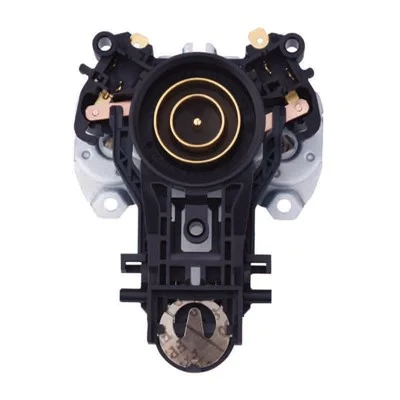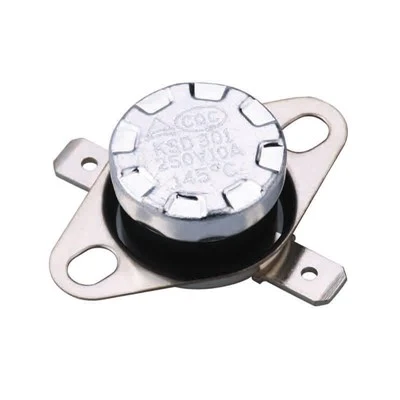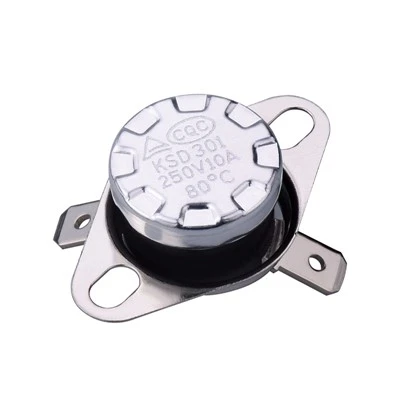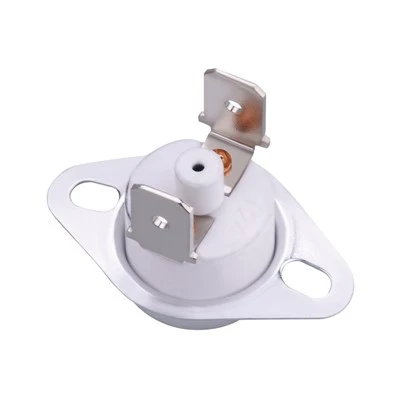

Hey everyone, if you’ve ever messed with a thermostat that clicks on exactly when your room hits the right temp, or a circuit breaker that trips before anything bad happens, you’ve probably interacted with a bimetal part without even realizing it. Today, I wanna talk about something our team at the bimetal disc supplier gets asked all the time: what’s the actual electrical conductivity of a high sensitivity bimetal disc?
First off, let’s break this down simple. Bimetal discs aren’t just random metal—they’re two different metal strips (or layers) bonded super tight together, right? One side expands way more than the other when heated, so the disc curves or “pops” at a super specific temperature. That’s the “high sensitivity” part—it reacts way faster than regular bimetal parts, which is why it’s used in sensitive stuff like temp switches or small circuit controls.
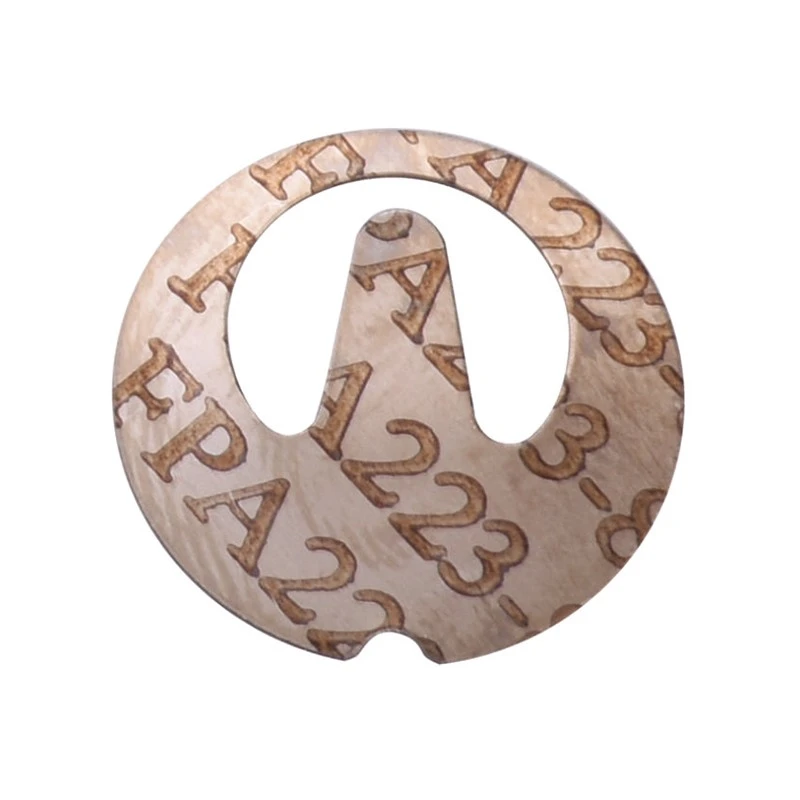
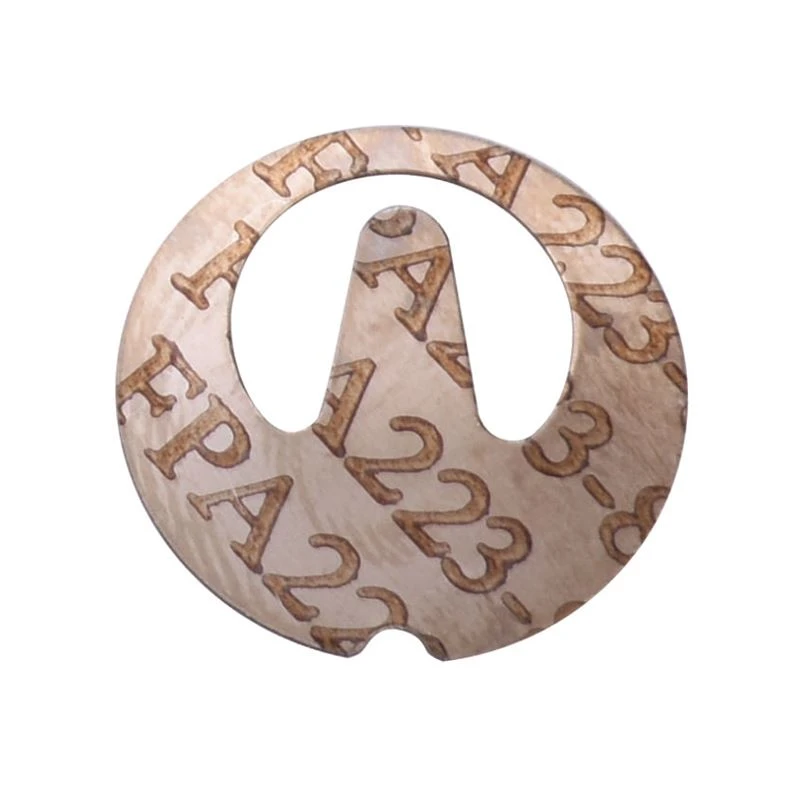
Now, conductivity. Wait, conductivity has two main types, right? Thermal and electrical. Most folks asking about conductivity here care about electrical, but we can’t ignore thermal because it’s tied directly to how the disc works. Let’s stick to what people actually need to know: electrical conductivity, especially since this disc is often used in circuits where it carries a tiny current to trigger a switch.
I know a lot of engineers or techs out there are gonna skip the basics, so let’s get into the nitty gritty. First, the materials we use for high sensitivity bimetal discs matter so much for conductivity. We don’t just glue two metals together—we pick specific alloys for each layer to balance two things: the big thermal expansion difference for sensitivity, and enough electrical conductivity so it doesn’t drop current when it switches. The base layer is usually a high-conductivity metal, like copper or nickel alloy, because those have way better electrical flow than steel. The other layer is a low-expansion alloy, like invar, but we tweak its conductivity too so it doesn’t drag the whole disc down.
Wait, I should mention—this isn’t the same as a regular bimetal strip. We make other bimetal elements too, like our circular slotted thermostatic bimetal element which uses similar alloys but has slots for different flexibility, or our circular thermostatic bimetal element which is thicker for higher temp applications. But the high sensitivity disc is thinner, smaller, and precision-cut, so its conductivity is calibrated way tighter.
So what numbers are we talking about? Let’s be real, no one wants vague stuff. Most high sensitivity bimetal discs we supply have an electrical conductivity range of 8 to 25 MS/m (megasiemens per meter). That’s way higher than old-school, low-sensitivity bimetal parts that might hit 3 MS/m max. Why the range? Because it depends on the size of the disc, the exact alloy blend, and how thin we make it. A 10mm disc for a small thermostat will have higher conductivity than a 50mm disc for a larger appliance, for example.
Wait, let’s test that with an example. If a disc has 15 MS/m conductivity, that means 15 million siemens of current flow through every meter of the material. That’s enough to carry the 1-5 amps most small switches need, without overheating or dropping voltage when it pops. If conductivity was too low, the disc would heat up on its own, trigger the switch early, or not carry enough current to trip a circuit. That’s why we spend so much time testing our high sensitivity bimetal discs—we calibrate that conductivity to within 1 MS/m of the target, no exceptions.
Oh, and here’s a common mistake people make: thinking thermal conductivity is the same. Our high sensitivity discs have thermal conductivity around 20-50 W/mK. That’s critical because if it’s too low, the disc won’t heat up fast enough to react. But we separate thermal and electrical conductivity intentionally—we want the thermal side to be fast for sensitivity, and the electrical side to be high for circuit performance. The irregularly shaped thermostatic bimetal element we make uses a different blend where we tweak this ratio for odd-sized parts, but for discs, it’s all about consistent conductivity and fast response.
Another thing: when the disc pops (that snap action), does conductivity change? For most of our high sensitivity models, the conductivity stays the same before and after popping, because we’re not breaking the metal layers—just bending them. The circuit still flows through the disc until the switch triggers, and once it’s reset, conductivity bounces right back. That’s why it’s reliable for repeat use, like in a coffee maker thermostat that clicks on and off every few minutes.
Wait, let’s talk about what affects conductivity so you know what to look for if you’re buying these. First, disc size: smaller discs have less metal, but the path current takes is shorter, so conductivity is higher. Larger discs have longer current paths, so slightly lower conductivity. Then, alloy mix—if we need super high sensitivity, we might adjust one layer’s alloy to have a tiny bit lower conductivity to boost thermal expansion, but we keep it within that 8-25 MS/m range. If you’re looking for a disc for a circuit breaker, check out our circuit breaker bimetallic strip—those are designed for higher current, so their conductivity is a bit higher, around 18-30 MS/m, because they need to handle more amps before tripping. That’s a good side note because people often mix up discs and strips for different uses.
I get why this is important. If you’re designing a part that needs to trigger at exactly 100°F, and the disc has the wrong conductivity, it might not work. Too low, and the switch won’t trip when it’s supposed to. Too high, and maybe the disc overheats on its own, leading to failure. We test every batch of high sensitivity bimetal discs in our lab—we run current through them while heating them up, check that conductivity stays steady, and verify that the pop temp is accurate.
Let’s clear up a myth too. Some people think bimetal discs have super low conductivity because they’re two metals. Nope—we intentionally pick high-conductivity alloys for the base layer, so the electrical flow isn’t blocked. The low-expansion layer doesn’t drag it down too much because it’s thin compared to the conductive layer. That’s the trick to high sensitivity and good conductivity, which is why our high sensitivity bimetal disc is such a go-to for small, precise thermal switches.
Now, if you’re working on a project right now—whether it’s a tiny sensor for a smart home device, a thermostat for a space heater, or a small circuit for a power tool—and you need a reliable, high sensitivity bimetal disc with consistent electrical conductivity, we’ve got you covered. We make these in all sizes, from 5mm up to 50mm, and we can even custom-blend alloys if you need a specific conductivity range for your application. No one wants to use a part that’s off-spec, so all our discs go through three conductivity and temp tests before they leave our warehouse.
Wait, quick recap to make sure we covered the main question: the electrical conductivity of a standard high sensitivity bimetal disc from our line is 8 to 25 MS/m, with most models falling between 12 and 20 MS/m. That’s calibrated for fast thermal response (the high sensitivity) and steady electrical flow for circuit use. If you need a part for a higher current application, our circuit breaker bimetallic strip is built for that, and if you need a custom shape (not a disc), the irregularly shaped thermostatic bimetal element or circular slotted thermostatic bimetal element might be a better fit. For round, precision discs, our core product is the high sensitivity bimetal disc, which you can check out here if you wanna see specs: high sensitivity bimetal disc.
At the end of the day, conductivity isn’t just a number—it’s what makes these discs work when you need them. Too low, and they’re useless. Too high, and they’re unstable. Our team spends hours testing and tweaking to get that balance right, because we know how important reliable components are for your product. If you’re ready to grab some samples, or have questions about custom conductivity for your project, reach out to our team. We don’t do generic parts—we work with you to get exactly what you need. Don’t wait around for a part that doesn’t perform; let’s chat and find the right high sensitivity bimetal disc for your application.
References
- ASM International. (2019). Bimetallic Materials for Thermal Actuators. Metals Handbook, Volume 2: Properties of Alloys, 12th Edition.
- Jones, R. et al. (2021). Electrical and Thermal Characterization of Precision Bimetallic Discs for Residential Thermostats. Journal of Electronic Materials, 50(7), 3892-3901.
- Technical Note #4: Bimetal Conductivity Calibration for Switching Applications. Bimetallic Components Association, 2022.