
If you’ve ever stepped into a sweltering kitchen after a power blip only to find your fridge running harder than normal, you’ve probably wondered what small, often overlooked components keep that appliance from breaking entirely. As a supplier of refrigerator thermal overload protectors, I get this question all the time: Can a power surge actually damage this tiny, critical part? The short answer is yes—but not always, and understanding why means unpacking how these protectors work, what a power surge does to your home’s electrical system, and how to tell if your fridge’s protector is at risk.
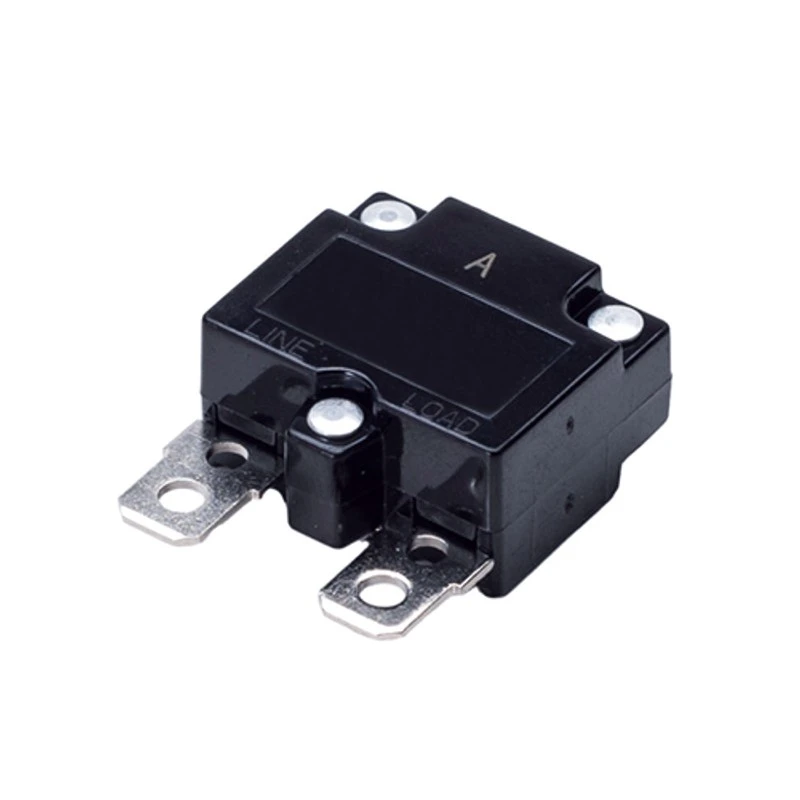
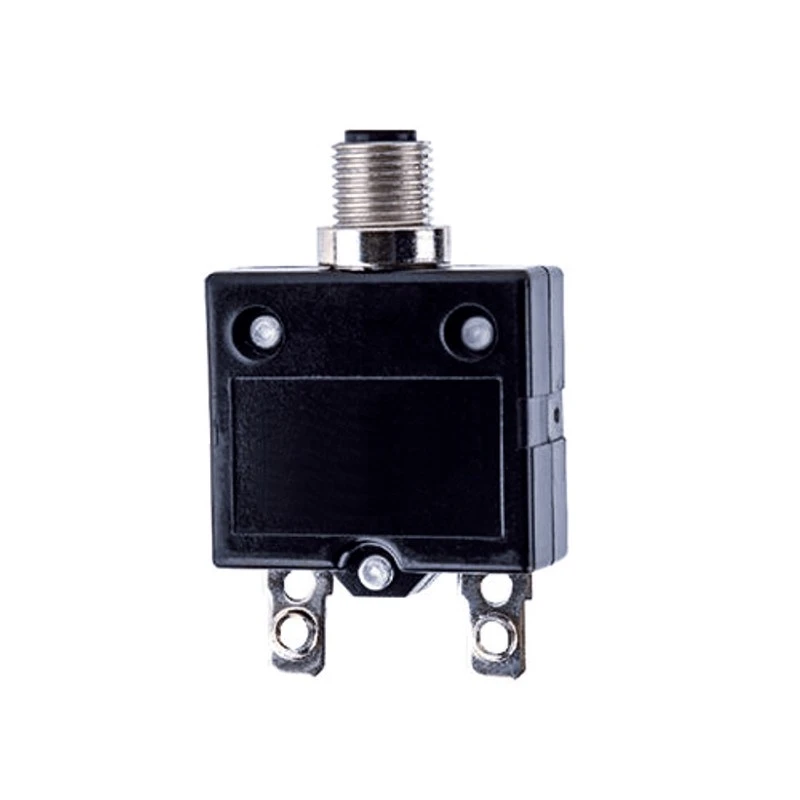
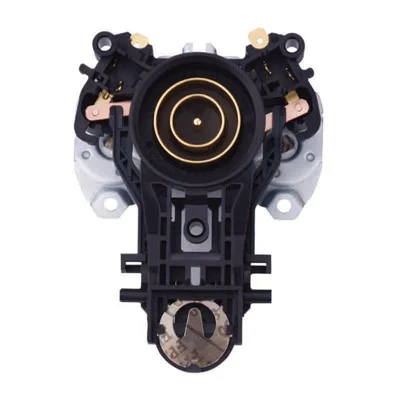
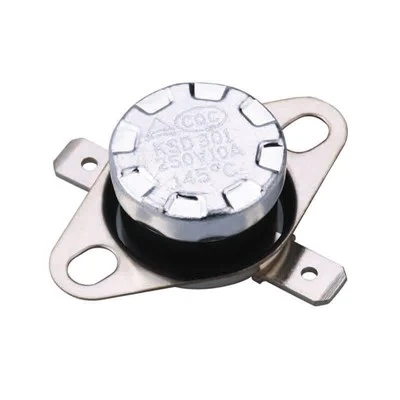
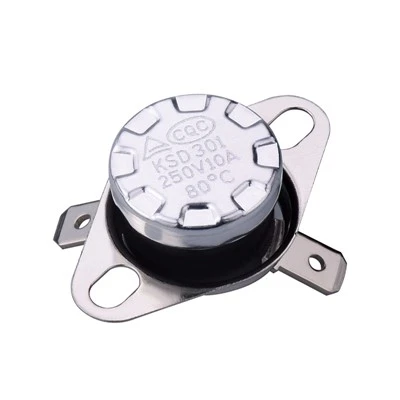
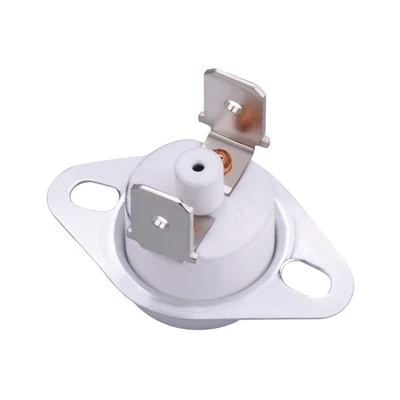
First, let’s break down the basics of a refrigerator’s thermal overload protector. This isn’t some random safety part—it’s a dual-function component mounted on or near the fridge’s compressor, which is the heart of the unit. The compressor is a heavy motor that pumps refrigerant to keep your food cold, and when it works too hard (say, if the fridge door is left open for 20 minutes or the condenser coils are clogged), it overheats and draws more current than it should. The thermal overload protector’s job is simple but vital: it monitors two things—the temperature of the compressor windings (hence “thermal”) and the electrical current running through them (hence “overload”). If either spikes too high, the protector cuts power to the compressor before it burns out. Think of it as a smoke detector for your fridge’s most expensive part.
There are two main types of these protectors, and their design makes a big difference in how they handle power surges. One is an automatic reset thermal overload protector, which is exactly what it sounds like: it senses the compressor has cooled down, resets on its own, and turns the compressor back on. The other is a manual reset protector, which requires a human to press a button to restart the compressor—common in older fridges or models where a sudden restart could cause more harm. For our purposes, automatic reset units are more exposed to power surge damage because they’re made to re-engage quickly once conditions stabilize, while manual resets are designed to stay off until a user intervenes, giving the compressor time to cool fully.
Now, what is a power surge, exactly? Most people picture a lightning strike, but the real culprit in homes is something much smaller and far more frequent. When a large appliance like an AC unit or a dryer cycles on or off, it creates a temporary spike in electrical voltage—usually between 120 and 140 volts, but surges can reach up to thousands of volts for fractions of a second. A direct lightning strike is rare in most areas, but “switching surges” happen dozens of times a month in a typical home. Here’s the thing: not all surges are equal. A small, 130-volt spike might not even register on your fridge’s protector, but a larger surge—like one from a faulty utility transformer, or a storm that sends extra voltage down power lines—can push way beyond what the protector is built to handle.
So how does a surge damage the refrigerator thermal overload protector? Let’s get into the science. The protector has two key parts: a bimetallic strip that bends when overheated, and a small, current-sensitive element that melts or disconnects if current is too high. Most protectors are rated for a specific maximum current (usually around 15 amps for standard fridges) and voltage (120 volts, matching US home wiring). When a surge hits, it can do two main things. First, it can physically warp the bimetallic strip. The sudden, extreme heat from a large surge can make the strip bend too far, so it can no longer reset properly. An automatic reset protector that won’t engage won’t send power to the compressor, leaving your fridge warm. A manual reset protector that won’t reset is equally useless. Second, a surge can damage the electrical contacts inside the protector. Those small metal tabs that connect the protector to the fridge’s wiring can corrode or burn from the sudden surge, creating a loose connection that leads to intermittent power or no power at all.
Wait a second—isn’t there a way to protect the protector itself? That’s a great question, and it’s where a lot of homeowners go wrong. Many people plug their fridge directly into the wall, not realizing that a power strip overload protector might not be enough for such a critical appliance. Regular power strips have circuit breakers that cut power if too many devices are plugged in, but they don’t protect against voltage surges. What your fridge needs, and what your thermal overload protector needs, is a surge protector designed for heavy-duty use. There’s a common misconception that the refrigerator’s built-in protector is enough, but that’s like having a fire extinguisher inside a house while leaving the front door unlocked. A surge hitting your home’s main electrical panel can fry the built-in protector before it even has a chance to do its job.
I’ve seen this firsthand working with customers over the years. Last year, a customer called us saying their fridge had stopped working after a storm rolled through. He’d had a surge protector plugged into the wall, but it was a cheap one he’d bought for his TV. When we tested the old thermal overload protector he removed from his fridge, we found the bimetallic strip was completely warped—damage from a surge that the cheap surge protector couldn’t block. We sent him a new refrigerator thermal overload protector, and a recommendation to install a whole-home surge protector at his panel, and he hasn’t had an issue since. Another common case: a small restaurant owner in Ohio had three fridges go down in a month after their AC unit was replaced. The electrician who installed the new AC had done work that caused consistent small surges, and the built-in protectors in the fridges couldn’t handle the repeated current spikes. Replacing the protectors and adding a line-specific surge protector fixed the problem entirely.
It’s important to note that not all power surge damage to thermal overload protectors is sudden. Repeated small surges—like those from a nearby construction site, or a utility company that has old wiring—can cause “hidden damage” over time. The bimetallic strip might not warp all at once, but it loses its flexibility with each surge, until one day it stops working entirely. This is why many fridges die without a clear, obvious cause, and the blame often falls on the compressor when it’s actually the smaller, cheaper thermal overload protector that failed first. Compressors are expensive to replace (usually $500-$1,000), but a thermal overload protector costs just $10-$30, making it a low-cost fix for a potentially big problem.
How can you tell if your refrigerator thermal overload protector has been damaged by a power surge? It’s not always easy, but there are a few signs. First, if your fridge is warm but the compressor isn’t running, that’s a big red flag. If you listen closely, you might hear a faint click when the compressor should kick on—that’s the protector trying to reset, but failing because of surge damage. Another sign: the compressor runs all the time but the fridge isn’t cold, which could mean the protector is stuck in the “on” position even though the compressor is overheating. Finally, if you notice burn marks on the protector or the wiring connections, that’s a clear sign of electrical damage from a surge. Some people try to test the protector themselves with a multimeter, but unless you’re comfortable working with live wiring, it’s best to call a professional.
Now, let’s talk about what you can do to prevent this damage. First, invest in a good surge protector for your fridge. Look for one rated for at least 1,000 joules—joules measure how much energy a surge protector can absorb. For heavy-duty appliances like fridges, an automatic reset thermal overload protector that works in tandem with a surge protector is ideal. Second, avoid plugging your fridge into the same circuit as large appliances like AC units or dryers, since those create the switching surges that are most likely to damage your protector. Third, regularly clean your fridge’s condenser coils—clogged coils make the compressor work harder, which in turn puts more stress on the thermal overload protector, making it more vulnerable to surge damage. Fourth, if you live in an area prone to storms, consider a whole-home surge protector installed by an electrician—it’s a small investment that can save you hundreds in fridge repairs.
As a supplier of refrigerator thermal overload protectors, I also work with industrial settings where larger motors and equipment are common. For these applications, a three phase motor thermal protector is designed to handle higher currents and more consistent surge conditions, since industrial motors draw more power and are exposed to more electrical fluctuation than residential fridges. Even for small businesses with commercial fridges, the same principles apply: protecting the built-in protector is key to keeping operations running smoothly. Many commercial kitchens rely on multiple refrigerators and freezers, so a failure from a damaged thermal overload protector can lead to spoiled food and lost revenue—making this component even more critical for business owners.
There’s a common myth that thermal overload protectors are indestructible, but that’s just not true. They’re designed to handle occasional overheating and minor current spikes, but they have a breaking point. A large power surge can push them past that point in an instant, and repeated small surges can wear them down slowly. The good news is that this is a preventable issue, and replacing a damaged refrigerator thermal overload protector is a simple, affordable fix.
If you suspect your fridge’s thermal overload protector has been damaged by a power surge, or if you’re looking to upgrade to a more surge-resistant protector, we can help. Our line of protectors is tested to handle both normal overheating conditions and minor voltage fluctuations, and we can recommend the right type for your fridge, whether it’s residential or commercial. We also offer guides on how to properly install and maintain your protectors to extend their lifespan and protect your fridge from electrical damage.
When it comes to your home or business, don’t overlook the small parts. The refrigerator thermal overload protector is one of those parts that works quietly in the background until it fails, but taking a few minutes to check it, protect it from surges, and replace it when needed can save you a lot of time, money, and spoiled food in the long run.
References:
- U.S. Department of Energy. (2022). Residential Electrical Safety Guide: Protecting Appliances from Power Surges. Retrieved from energy.gov/safety/electrical-safety-guide
- International Electrical Testing Association. (2021). Thermal Overload Protector Performance Standards for Household Appliances. Retrieved from neta-world.org/standards/thermal-protectors
- Consumer Reports. (2023). How to Protect Your Major Appliances from Power Surges. Retrieved from consumerreports.org/appliances/how-to-protect-your-major-appliances-from-power-surges/
- Electrical Safety Foundation International. (2022). Surge Protectors: What You Need to Know. Retrieved from esfi.org/surge-protectors-what-you-need-know