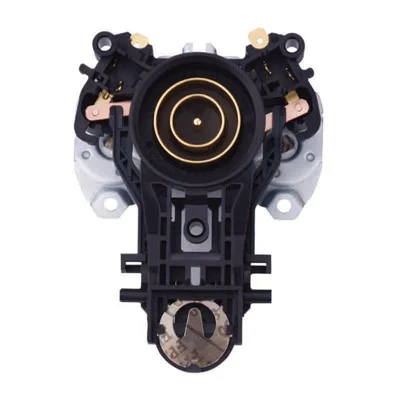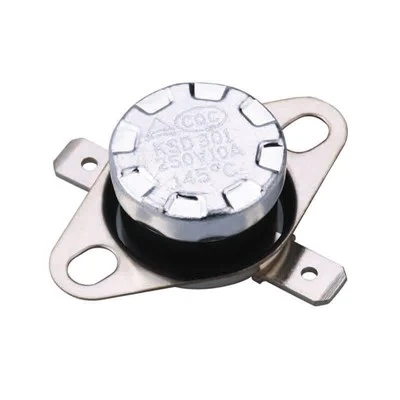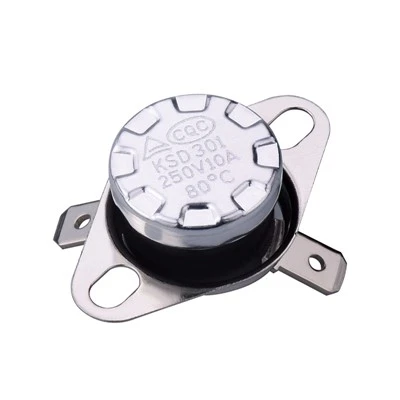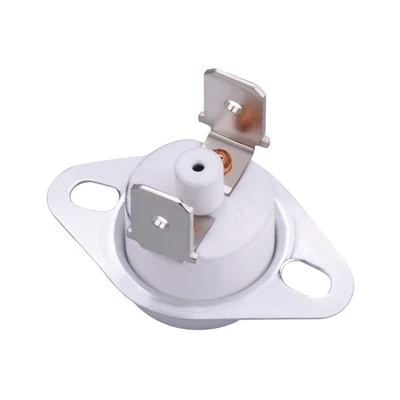

A temperature controller primarily consists of three components: a temperature sensor, a control circuit, and an actuating mechanism.
The temperature sensor (such as a thermocouple or thermistor) captures the ambient or internal equipment temperature in real time and converts the physical signal into an electrical signal. The control circuit compares the measured value against the setpoint to trigger switching actions. Finally, the actuating mechanism achieves temperature control by connecting or disconnecting the circuit or by regulating power output. For instance, when the temperature exceeds the setpoint, the circuit opens to halt heating; conversely, it closes to resume operation. Key specifications include voltage (220V), power (240W), and control precision (e.g., 10-level adjustment), all of which determine the device's suitable applications and response speed.