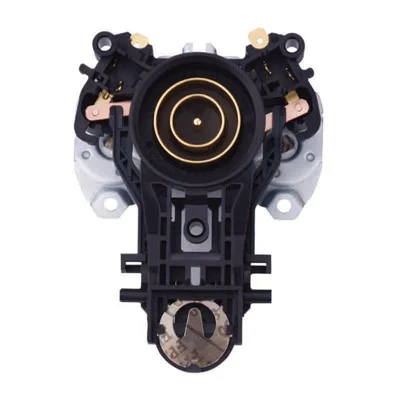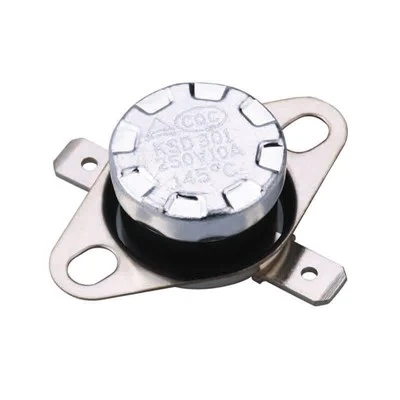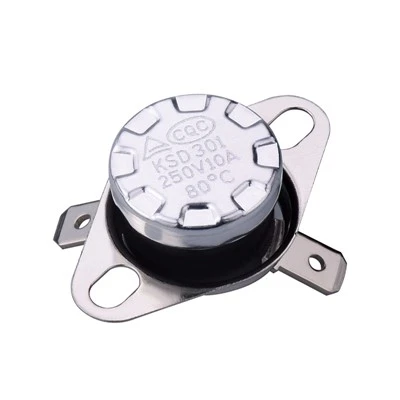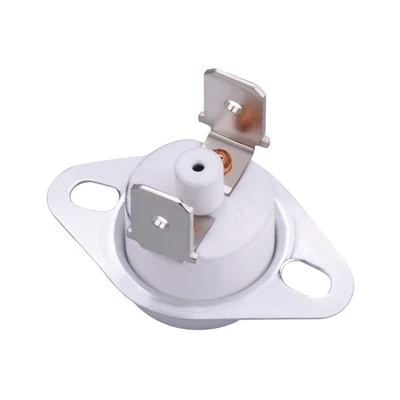

An overload protector-often referred to as a torque limiter, torque-holding device, or torque clutch-is a device designed to protect mechanical transmission systems from overload. Typically installed between the driving and driven sides of a transmission system, it disengages when the torque exceeds a preset value, thereby protecting both the driving machinery and the load.
Based on their operating principles, these devices are primarily categorized into mechanical and electrical types. Mechanical versions include torque limiters, torque-holding devices, and linear force limiters; common examples are friction-type and ball-type torque limiters, which feature various mounting configurations such as shaft-to-shaft or shaft-to-flange connections. Electrical overload protectors are used for motor protection and offer features such as overcurrent, short-circuit, and phase-loss protection.