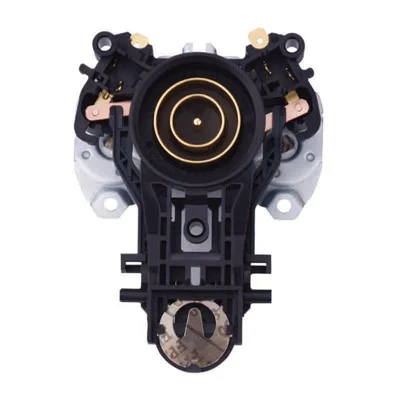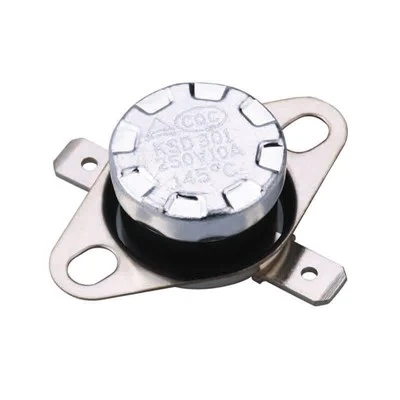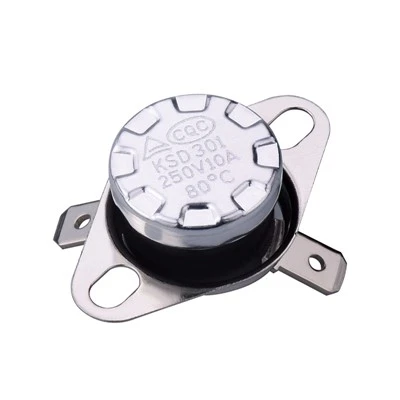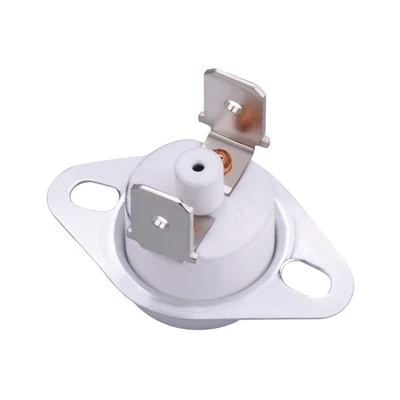

Bimetallic strips are categorized into various types-such as high-sensitivity, general-purpose, high-temperature, low-temperature, resistive, corrosion-resistant, and special-purpose-each with a wide range of material performance parameters; therefore, the correct selection of material is crucial for the product.
To ensure a reliable product, the design and selection process must verify that parameters such as operating temperature, electrical resistance, corrosion resistance, markings, dimensional tolerances, and operational stability meet the specific design requirements.
First, bimetallic strips have a linear operating temperature range and a maximum service temperature. Achieving precise operational deflection requires the operating temperature to remain within the strip's linear range-where the rise in temperature and the strip's deflection exhibit a typical linear relationship. For instance, a strip with a linear range of -20°C to 200°C will show a curved response above 200°C, losing its linear characteristic.
Second, the electrical resistance of the bimetallic strip directly determines heat generation and influences the product's operational characteristics; resistance increases as the temperature rises.
Corrosion resistance must be evaluated based on the specific operating environment, particularly in industrial settings with high pollution levels. While standard bimetallic strips usually offer sufficient corrosion resistance, applications involving harsh conditions-such as high-temperature, high-humidity, or corrosive gas environments-require strips with enhanced corrosion resistance.