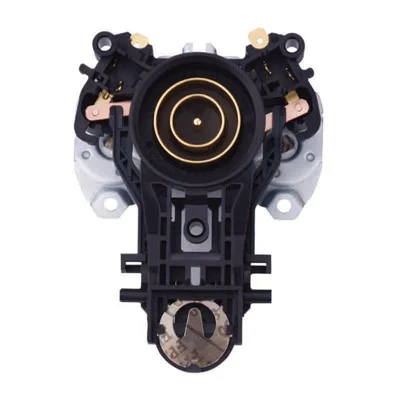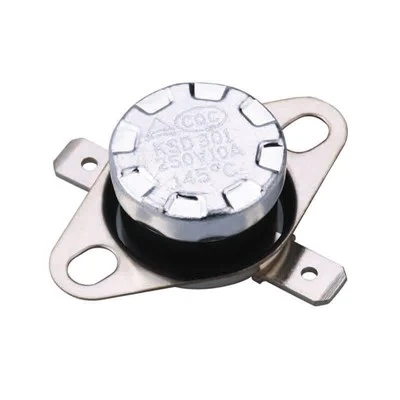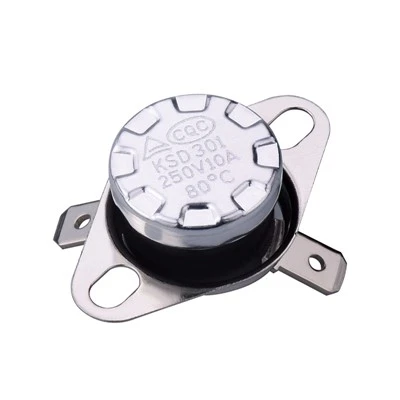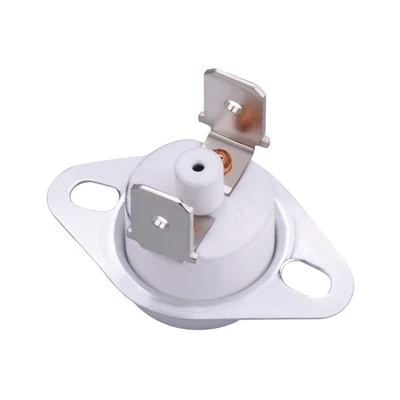

Precise Temperature Control
Automatically adjusts the operating status of heating or cooling equipment (e.g., heaters, air conditioners, refrigerator compressors) based on the difference between the set temperature and the actual measured temperature. This maintains the ambient temperature within the target range, typically achieving control precision of ±0.5°C to ±2°C (varying significantly by model).
Temperature Detection and Feedback
Utilizes built-in or external temperature sensors (such as thermocouples, thermistors, or PT100 platinum resistance sensors) to capture real-time temperature signals from the environment or equipment. These signals are converted into electrical signals and transmitted to the control module, establishing a closed-loop control system.
Temperature Detection and Feedback
Utilizes built-in or external temperature sensors (such as thermocouples, thermistors, or PT100 platinum resistance sensors) to capture real-time temperature signals from the environment or equipment. These signals are converted into electrical signals and transmitted to the control module, establishing a closed-loop control system.
Multiple Control Modes
On/Off Control (Switching Control): Stops the equipment when the temperature reaches the set value and starts it when the temperature drops below the set value (e.g., thermostats in older refrigerators).
Proportional-Integral-Derivative (PID) Control: Dynamically adjusts output power via algorithms to minimize temperature fluctuations (suitable for high-precision applications, such as laboratory incubators).
Timer-based Control: Supports temperature profiles based on specific time periods (e.g., thermostats for residential wall-hung boilers that allow for different heating temperatures during weekdays versus weekends).